Scaling & Root Planing
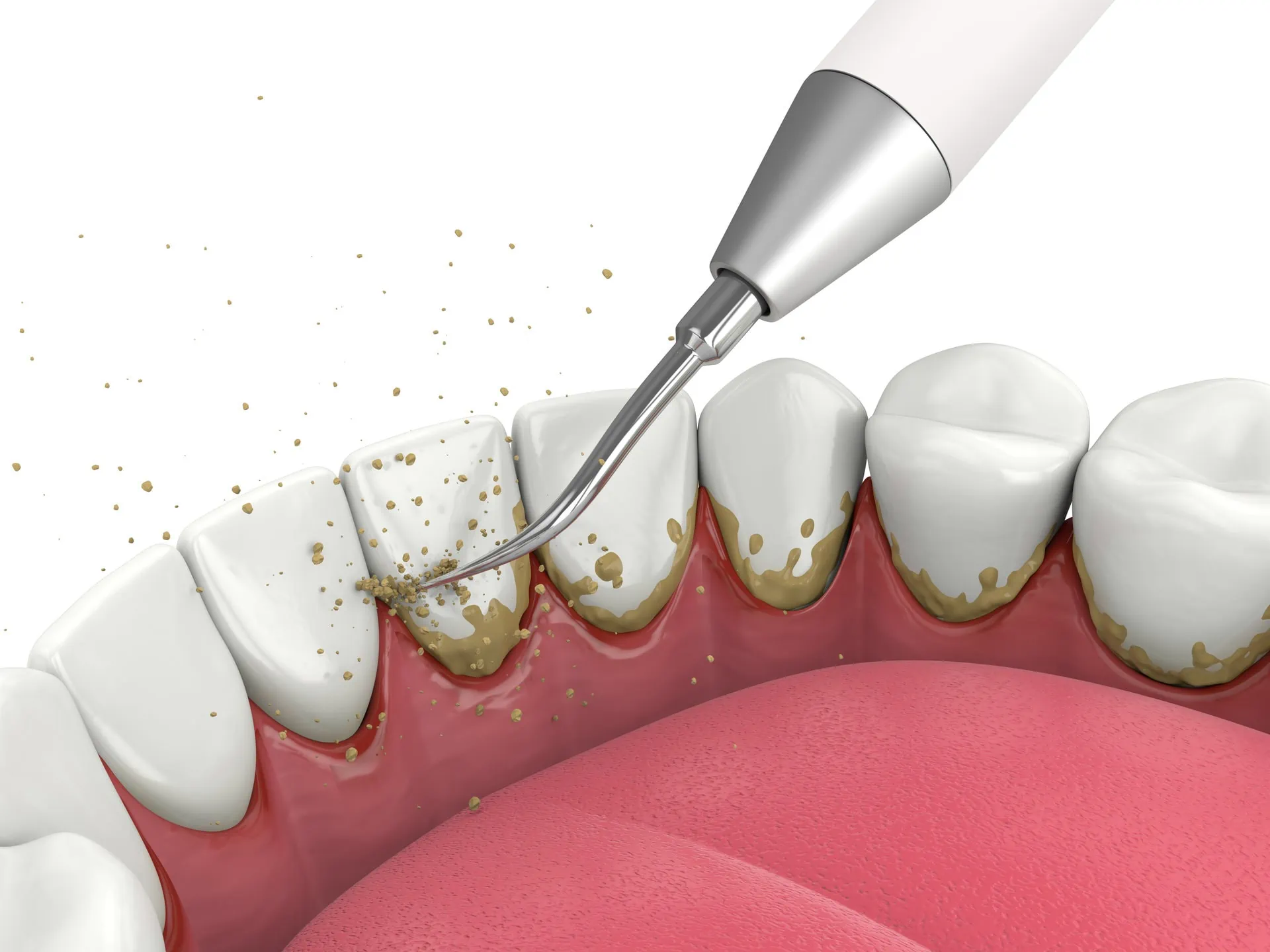
Scaling and root planing (SRP) is the primary non-surgical treatment for periodontal disease. Scaling removes plaque and calculus (tartar) from above and below the gumline. Root planing smooths the surfaces of tooth roots so bacteria can't easily re-adhere and gums can reattach to teeth. It's sometimes called a "deep cleaning."
When SRP is recommended
SRP is recommended when periodontal probing reveals gum pockets deeper than 4mm, indicating that plaque and tartar have accumulated below the gumline and begun to cause tissue destruction. A routine cleaning can't reach this area, SRP can.
How it works
Local anesthesia. The treatment area is fully numbed.
Scaling. Ultrasonic and hand instruments remove buildup from tooth surfaces and below the gumline.
Root planing. Root surfaces are smoothed to discourage bacterial re-adhesion and promote gum reattachment.
Antimicrobial therapy (if indicated). Localized antibiotics may be placed in deep pockets to kill remaining bacteria.
Follow-up visit. 4–6 weeks later, a periodontal re-evaluation measures gum response.
Most SRP is split across two visits (one for each side of the mouth) to keep anesthesia localized and appointments manageable.
What to expect after
Soreness and mild sensitivity for 2–5 days — usually managed with over-the-counter medication
Gums may bleed initially as they begin healing
Avoid hard or crunchy foods for 48 hours
Continue normal brushing — gently at first
Improved gum color and tightness typically visible within 2–4 weeks
SRP vs. routine cleaning
For
Routine Cleaning (Prophylaxis)
Scaling & Root Planing
Healthy or gingivitis
Periodontitis (4mm+ pockets)
Below gumline
Minimal
Yes
Local anesthesia
No
Yes
Visits
1
Usually 2
Cost
$100–$200
$150–$400 per quadrant
Follow-up
Every 6 months
Every 3–4 months (maintenance)
Ongoing periodontal maintenance
After SRP, patients typically move to a 3–4 month periodontal maintenance schedule (rather than 6-month routine cleanings). This helps prevent the disease from progressing and is usually required indefinitely for patients with a history of periodontitis.
Common Questions
Frequently Asked Questions
Is scaling and root planing painful?
How long does SRP take?
Do I need to come more often after SRP?
Does insurance cover it?
Will my gums get better after SRP?