Gum Disease Treatment
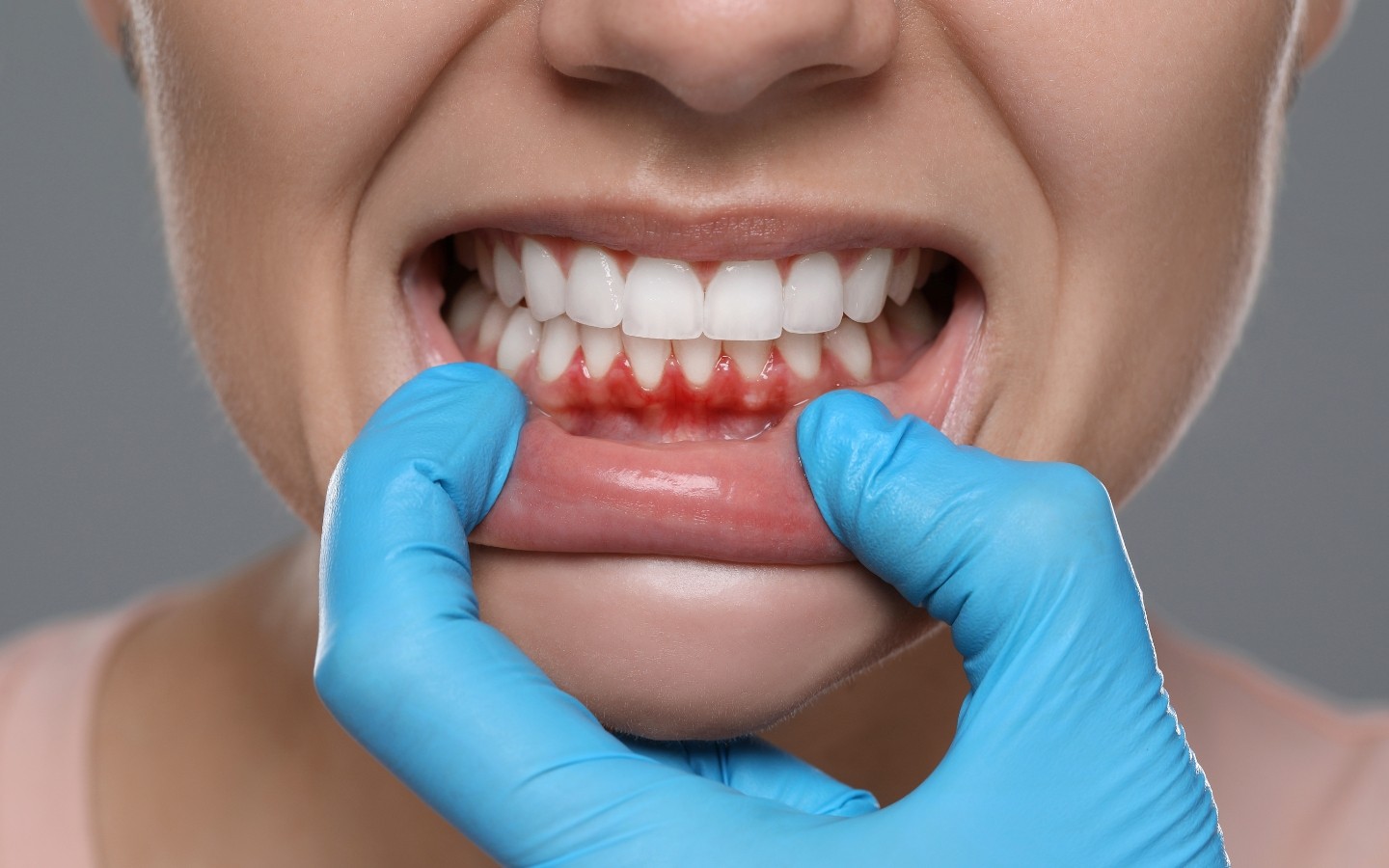
Gum disease (periodontal disease) is an infection of the tissues surrounding and supporting the teeth. Gingivitis (the early stage) causes red, swollen, bleeding gums and is fully reversible with proper care. Periodontitis (the advanced stage) destroys bone and tissue around teeth and can lead to tooth loss if not managed.
Stages of gum disease
Healthy gums: pink, firm, no bleeding
Gingivitis: red, swollen gums that bleed with brushing or flossing
Early periodontitis: pockets 4–5mm, mild bone loss
Moderate periodontitis: pockets 6–7mm, more bone loss
Advanced periodontitis: deep pockets, significant bone loss, loose teeth
Treatment approach by stage
Gingivitis
Professional cleaning + improved home care
Reversible within 2–4 weeks of consistent care
Early to moderate periodontitis
Scaling and root planing — deep cleaning below the gumline
Localized antibiotic therapy if needed
3–4 month periodontal maintenance visits
Advanced periodontitis
Referral to a periodontal specialist for surgical intervention, gum grafting, or regenerative procedures
Ongoing maintenance coordinated with the specialist
Signs you may have gum disease
Gums that bleed when brushing or flossing
Red, swollen, or tender gums
Persistent bad breath or bad taste
Gums pulling away from teeth (recession)
Loose teeth or shifting bite
Pus between teeth and gums
Many patients have no noticeable symptoms in early stages — which is why periodontal probing at every comprehensive exam matters.
Risk factors
Smoking (single biggest modifiable risk factor)
Diabetes, especially poorly controlled
Certain medications (steroids, some blood pressure medications)
Genetic predisposition
Hormonal changes (pregnancy, menopause)
Poor oral hygiene
Common Questions
Frequently Asked Questions
Can gum disease be cured?
How long does treatment take?
Is periodontal treatment painful?
Do you refer out for severe cases?
Does insurance cover periodontal treatment?