Wisdom Teeth Removal
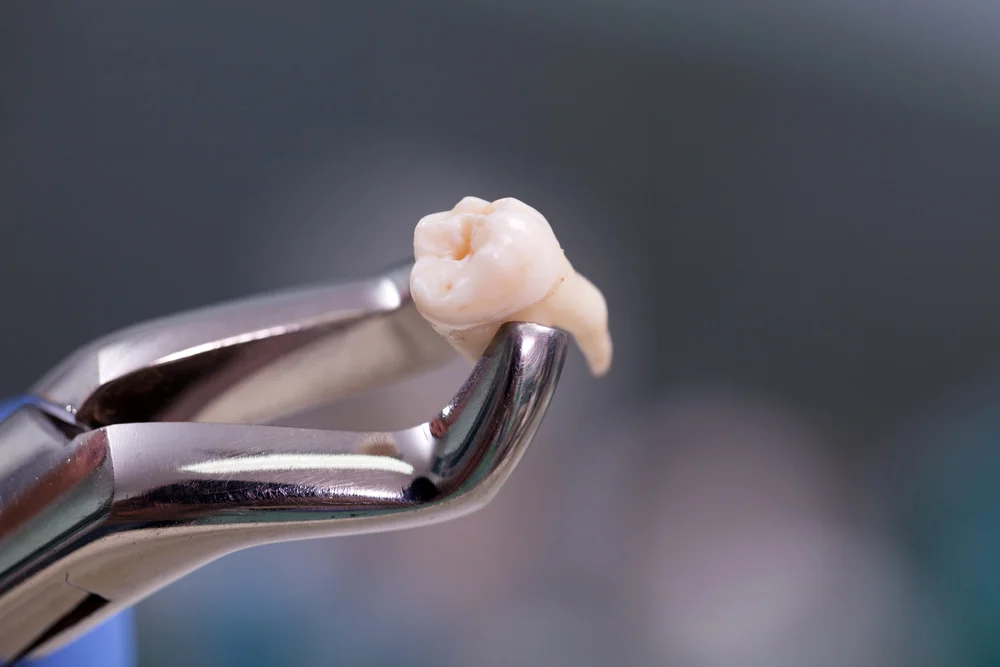
Wisdom teeth (third molars) are the last set of molars to develop, typically erupting in the late teens or early twenties. Because most modern jaws don't have room for them, they often become impacted (trapped in bone or soft tissue), erupt partially, or push other teeth out of alignment, frequently requiring surgical removal.
When wisdom teeth need to come out
Impacted — stuck in bone or soft tissue, unable to erupt normally
Partially erupted — creating a flap of gum tissue that traps food and bacteria (pericoronitis)
Crowding — pushing other teeth out of alignment
Decay or infection — often hard to clean, leading to cavities in the wisdom tooth itself or the molar in front
Cyst formation — rare but possible around impacted wisdom teeth
Preventively — in some young patients, removal before problems develop is recommended
Not all wisdom teeth need removal. If yours have erupted fully, aren't causing problems, and can be cleaned properly, they can often stay.
The evaluation
Panoramic or CBCT imaging. A 3D view of wisdom tooth position, roots, and surrounding structures (especially the inferior alveolar nerve).
Clinical exam. Signs of infection, crowding, or partial eruption.
Risk assessment. Proximity to nerves or sinuses, root complexity, age of the patient.
Recommendation. In-house extraction, referral to oral surgeon, or watchful waiting.
In-house vs. oral surgeon referral
Handled in-house:
Fully or partially erupted wisdom teeth with simple root anatomy
Upper wisdom teeth with straightforward extraction path
Patients without significant medical complications
Cases where local anesthesia is appropriate
Typically referred to an oral surgeon:
Deeply impacted teeth, especially lowers
Roots close to the inferior alveolar nerve
Patients requiring IV sedation
Complex medical history requiring additional monitoring
Dr. Yeo's philosophy: if a case is predictable and comfortable for the patient in-house, that's where it gets done. If specialist expertise will produce a better outcome, the referral is made without hesitation.
The procedure (in-house cases)
Local anesthesia + optional nitrous oxide. Area fully numbed; nitrous helps with anxiety.
Access. A small flap is made if the tooth isn't fully erupted.
Tooth removal. Often sectioned into pieces to minimize bone removal.
Socket cleaning. Debris removed; socket preservation graft placed if future implant is planned.
Suturing. Dissolvable sutures close the site.
Post-op instructions. Detailed written aftercare plan.
Most in-house wisdom tooth extractions take 30–90 minutes depending on complexity.
Recovery
First 24 hours: bite on gauze; no rinsing, spitting, straws, or smoking
Day 1–3: soft foods, ice pack for swelling, rest; most swelling peaks at 48–72 hours
Day 3–7: gradual return to normal foods; gentle salt water rinses
Week 2: most patients fully back to normal
Full bone healing: 3–6 months
Common Questions
Frequently Asked Questions
Do all wisdom teeth need to come out?
Is the procedure painful?
Will I need IV sedation?
When should wisdom teeth be removed?
What is dry socket?