Tooth Extraction
Simple extractions done with local anesthesia, gentle technique, and honest advice on what to put in its place.
When extraction is the right answer
Tooth extraction isn't the first option for most problems. Fillings, crowns, and root canals all preserve natural teeth longer. But sometimes a tooth is too broken, too decayed, or too infected to save. When that's the case, extraction done properly is often the quickest path to stopping pain and starting replacement planning.
Common reasons for extraction
Severe decay that has destroyed too much tooth to restore
Trauma that has cracked a tooth below the gumline
Failed root canal where retreatment isn't possible or practical
Periodontal disease that has destroyed the bone supporting the tooth
Orthodontic preparation — creating space for alignment in certain cases
The procedure
Consultation + imaging. A focused X-ray or CBCT confirms tooth position, root anatomy, and surrounding structures.
Local anesthesia. The tooth and surrounding area are fully numbed.
Tooth loosening. Using specialized instruments, the tooth is gently rocked to widen the socket.
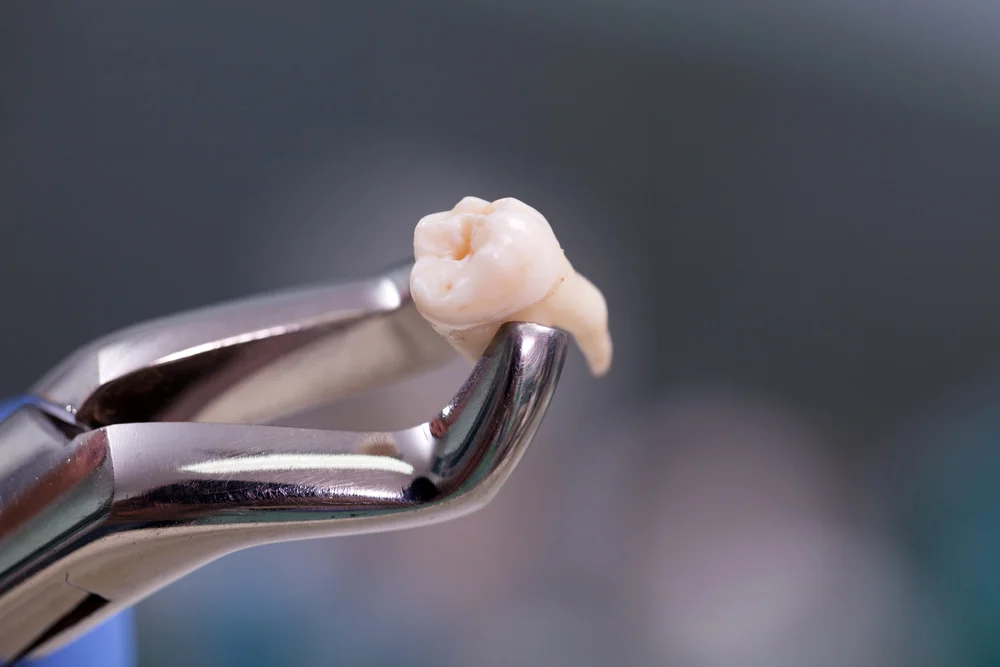
Extraction. The tooth is lifted from the socket.
Socket management. The area is cleaned. A bone graft may be placed if future implant is planned.
Post-op instructions. You'll get a detailed written aftercare plan before you leave.
Most simple extractions take 20–45 minutes. Complex cases take longer.
What to do after an extraction
First 24 hours: bite on gauze for 30–45 minutes to stop bleeding; no rinsing, no spitting, no straws
Day 1–2: soft foods, ice pack for swelling, rest
Day 2–3: gentle salt water rinses starting 24 hours after extraction
Avoid: smoking, alcohol, and vigorous activity for 72 hours
Call (214) 623-0880 if you experience severe pain after day 3 (could indicate dry socket)
What comes next
Losing a tooth isn't the end of the conversation. Replacement options are discussed before extraction whenever possible:
Single-tooth dental implant — most durable, looks and functions like a natural tooth
Dental bridge — uses adjacent teeth for support
Partial denture — removable option, usually lowest cost
Leave as-is — sometimes appropriate for rear molars with limited functional impact
Common Questions
Frequently Asked Questions
Is a tooth extraction painful?
How long does extraction take?
How long is recovery?
What is a dry socket?
Should I replace an extracted tooth right away?