Single Tooth Implant vs Bridge: Which Lasts Longer?
A single tooth implant typically lasts 20 years or longer, often a lifetime, while a traditional dental bridge averages 5 to 15 years before replacement. Implants also preserve jawbone and leave neighboring teeth untouched, whereas a bridge requires reshaping two healthy adjacent teeth and does not stop bone loss under the gap.
A single tooth implant typically lasts 20 years or longer, often a lifetime, while a traditional dental bridge averages 5 to 15 years before replacement. Implants also preserve jawbone and leave neighboring teeth untouched, whereas a bridge requires reshaping two healthy adjacent teeth and does not stop bone loss under the gap.
That is the short answer. The longer answer matters more, because the right choice depends on the health of your neighboring teeth, your jawbone, your timeline, and your budget. At Fresh Smile Dental Care on Royal Lane in the Koreatown Dallas corridor, we walk patients through this decision every week. Most arrive thinking they have to pick the cheapest option. Most leave with a clearer picture of what each one actually costs over a lifetime.
What is a single tooth implant and how does it work?
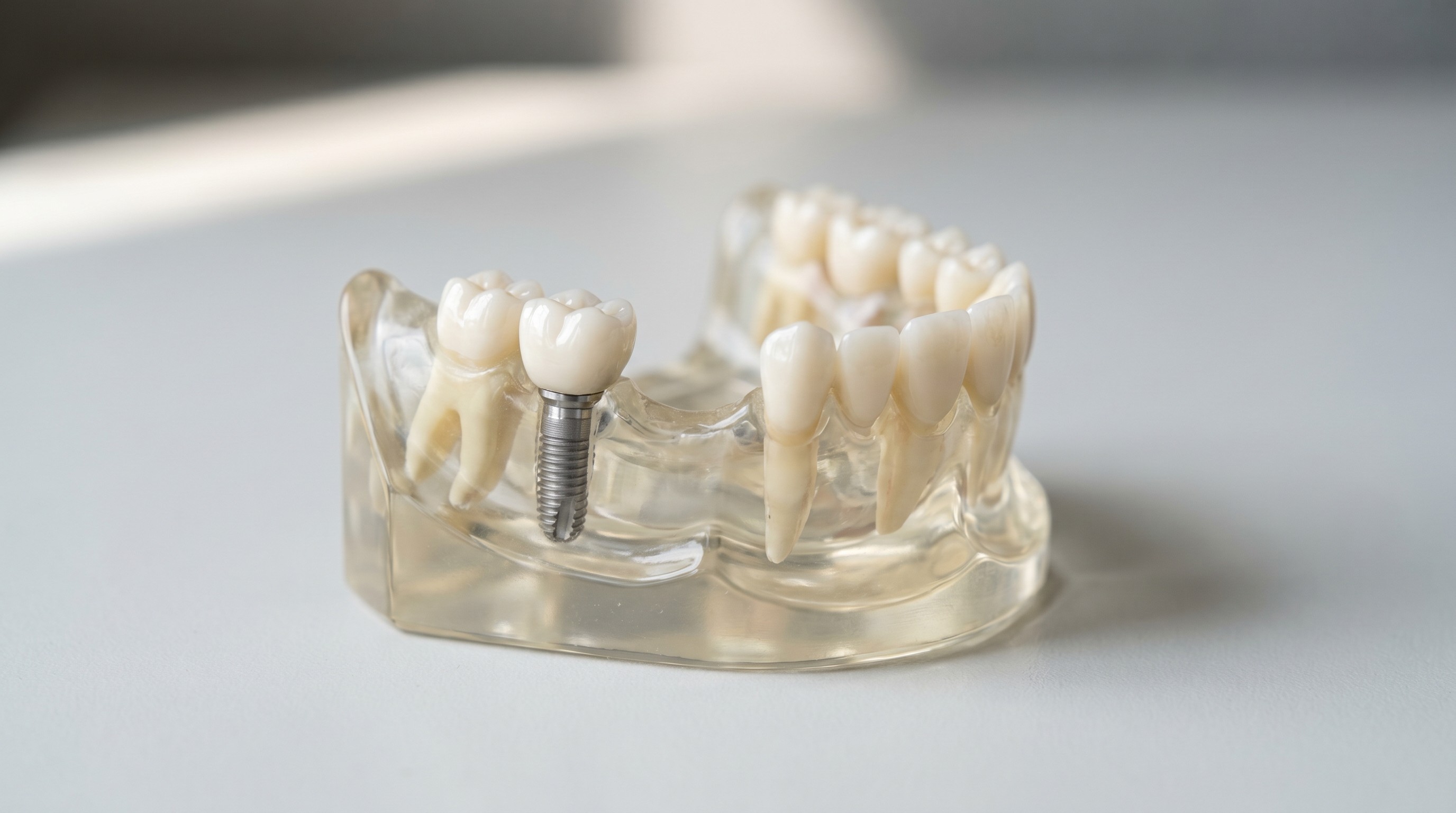
An implant is a small titanium post placed directly into the jawbone where the missing tooth used to be. Over the next three to six months, the bone grows around the post in a process called osseointegration, anchoring it as firmly as a natural root. According to the American Association of Oral and Maxillofacial Surgeons, this biological lock-in is what gives implants their long-term stability. Once it is fused, an abutment and a custom crown are attached on top.
The result looks, feels, and chews like a real tooth. You floss it normally. You brush it normally. You forget it is there.
What is a dental bridge and how is it different?
A traditional fixed bridge uses the two teeth on either side of the gap as anchors. Those two teeth get reshaped (the enamel is reduced) so crowns can be cemented over them, and a false tooth in the middle bridges the gap. No surgery. No healing time for bone. The whole process usually takes two to three weeks across a couple of visits.
That speed is the appeal. The catch is what happens to the two healthy teeth on either side. Per ADA Mouth Healthy patient resources, enamel reduction is permanent. Once those teeth are crowned, they are crowned for life.
Which one lasts longer?
Implants win this one. Peer-reviewed systematic reviews in journals like the Journal of Dental Research consistently show dental implant survival rates above 95% at 10 years in healthy patients. Many implants placed in the 1980s are still in function today. Bridges, by contrast, are cited by the ADA as typically lasting 5 to 15 years before they need to be replaced.
Why the gap? A bridge has three failure points instead of one. If either anchor tooth develops decay under the crown margin or cracks under load, the whole bridge has to come off. The most common cause of bridge failure in the prosthodontics literature is exactly that: decay or fracture of an abutment tooth. An implant has no neighbors carrying its weight. It stands on its own.
Run the math over 30 years. A bridge may need replacement two or three times. An implant crown might need to be replaced once, while the implant itself stays put.
How do they affect the rest of your mouth?
This is the part most patients do not think about until we show them on a 3D scan.
When you lose a tooth, the bone underneath starts to shrink. The NIDCR has documented this alveolar ridge resorption clearly. A bridge sits above the gum and does nothing to stop it. Five years out, the gum line under the false tooth often looks sunken. An implant, because it transmits chewing force into the bone the same way a root does, keeps the bone alive and stable.
There is also the cleaning question. Floss slides between an implant and your real teeth just like normal. Under a bridge, you need a floss threader or a water flosser to reach the underside. Skip that step and plaque builds up at the anchor teeth. That is how bridges fail.
Implants protect the neighbors. Bridges depend on them.
Cost, timeline, and recovery compared
Upfront, a bridge is usually less expensive. No surgery, no bone grafting, no waiting. If you need a tooth replaced before a wedding next month, a bridge can get you there.
An implant costs more at the start and takes three to six months from placement to final crown. There is a minor surgical procedure (most patients go back to work the next day) and a healing period. Insurance coverage varies. Some plans cover bridges fully and implants partially, which can swing the short-term math. Over 20 to 30 years, the implant usually comes out ahead, because you are not paying for replacement bridges and treating the decay that takes them down.
A bridge can still be the right call. If the two adjacent teeth already need crowns for other reasons, you are essentially getting the false tooth as a bonus. If you have a medical condition that makes surgery risky, or if you are a heavy smoker unwilling to quit during healing, a bridge may be the safer choice.
How Dr. Yeo helps patients decide in our Koreatown Dallas office
A 52-year-old engineer who commutes in on the DART Green Line from Royal Lane Station came to us last spring after losing a lower molar. He had been quoted a bridge at another office and wanted a second opinion before committing. We took a 3D CBCT scan, looked at the bone volume, checked the two neighboring teeth, and showed him both options on screen. His neighbors were healthy and untouched. Reshaping them for a bridge would have meant grinding down good enamel for no other reason. He chose the implant.
That is the value of imaging. We are not guessing.
Dr. Kwangjae Yeo has placed implants for more than a decade and has taught live implant surgery courses for DIO Implant and Hiossen. Every case starts with a CBCT scan and computer-guided planning. Consultations are available in English, Korean, and Spanish, which matters in a neighborhood where patients walk in from H Mart, the Asian Trade District, and offices across Northwest Dallas, Farmers Branch, Addison, Carrollton, Irving, and Preston Hollow.
Implants protect the neighbors. Bridges depend on them.
Frequently Asked Questions
Is a bridge cheaper than an implant in the long run?
Not usually. A bridge has a lower price tag on day one, but it typically needs replacement every 5 to 15 years, and a failed abutment tooth can mean extractions or additional restorations. Over 20 to 30 years, an implant often costs less in total because it tends to stay put.
Can I switch from a bridge to an implant later?
Yes, but it is more complicated than starting with an implant. By the time a bridge fails, the bone underneath has often shrunk and may need grafting before an implant can be placed. The two former anchor teeth may also need new crowns or treatment. Starting with the implant avoids that cascade.
Will insurance cover a dental implant or only a bridge?
It depends on your plan. Many dental insurance plans were written when bridges were the standard of care and cover bridges more generously. More plans now include partial implant coverage. We verify benefits before treatment so you see the actual out-of-pocket number for both options.
Does getting a bridge damage my healthy teeth?
Reshaping the two anchor teeth is permanent. Once enamel is removed, those teeth need crowns for the rest of their lives. They also carry the chewing load of three teeth instead of one, which raises the risk of fracture or decay at the crown margin over time.
How long does each procedure take from start to finish?
A bridge usually takes two to three weeks across two or three visits. A traditional implant takes three to six months because the bone needs time to fuse to the post. Some patients qualify for a same-day temporary crown on the implant, which shortens the cosmetic timeline even though the bone still needs to heal underneath.
If you are weighing a single tooth implant against a bridge, the right answer starts with a scan and an honest conversation. Call Fresh Smile Dental Care at (214) 623-0880 to schedule a consultation with Dr. Yeo at our Royal Lane office in Koreatown Dallas. We will show you both options on screen and help you choose the one that fits your mouth, your timeline, and your budget.
Recommendations