Clear Ceramic Braces
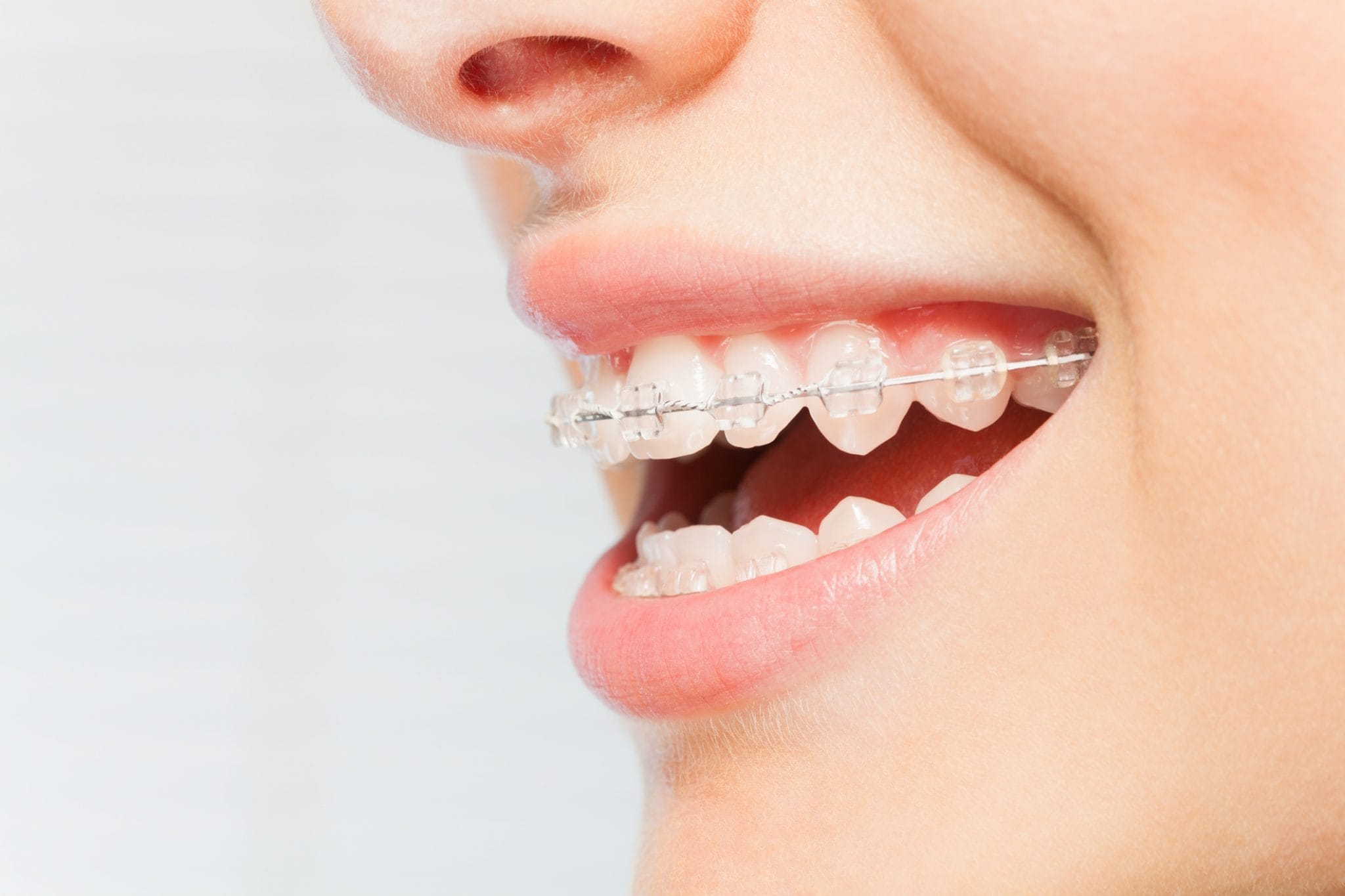
Tooth-colored ceramic brackets that blend with your natural teeth. Same effectiveness as traditional braces, far less visible, and a better fit than Invisalign for complex cases.
The middle option most adults don't know about
Patients often come in with a binary choice in mind: Invisalign or metal braces. But for patients with moderately complex cases, too complex for Invisalign, too visible for metal, clear ceramic braces are often the better fit.
The brackets are made of tooth-colored ceramic that blends with your natural tooth color. From a normal conversational distance, they're much less noticeable than metal. The wires can be tooth-colored too, making the whole appliance substantially more discreet.
Bonding vs. Veneers vs. Crowns
Visibility
Clear Ceramic
Traditional Metal
Invisalign
Subtle
Clearly visible
Nearly invisible
Effectiveness
Same as metal
Best for complex cases
Best for mild-to-moderate
Removable
No
No
Yes
Treatment time
12–24 months
12–24 months
6–18 months
Cost
Slightly higher than metal
Standard
Comparable
Risk of staining
Slight (with coffee, wine)
None
None
Best for
Adults who want discretion
All ages, complex cases
Adults, mild-to-moderate
What to expect
Treatment is essentially the same as traditional braces: brackets bonded to teeth, wires connecting them, adjustments every 4–6 weeks. The main differences are cosmetic and a few practical considerations:
Slightly more fragile than metal. Ceramic can chip under severe force. Extra care with hard foods is important.
Wires can stain if you drink a lot of coffee, tea, or red wine. The staining doesn't affect the ceramic brackets themselves.
Ties (the elastics that hold wires to brackets) can discolor over time but are replaced at each adjustment.
Common Questions
Frequently Asked Questions
How are clear ceramic braces different from metal braces?
Do ceramic braces stain?
Are ceramic braces as effective as metal?
Can I do ceramic on just the top teeth?